Why Strength Matters After 40
We start losing muscle mass at age 35. We need this muscle to feel strong, vibrant, young, and capable. Lifting weights is a form of retirement savings so as you lose muscle -- or if you get injured –- the consequences are less severe and you can keep enjoying life.
Book a free consult to learn more
Muscle Loss and Aging
We lose about one percent of our muscle mass every year beginning in our mid fifties. By age 80 that’s about 18 pounds of muscle.
We need this muscle to live our lives, including getting out of a chair, putting a suitcase in the overhead bin, or catching ourselves if we trip.
However, just because you lose muscle, that doesn’t mean you can’t ADD new muscle.
A study that followed almost 400 adults with a mean age of 71 found that after one year of heavy resistance training, people maintained their strength four years after the study started, even if they didn't keep strength training.
What is Strength Training?
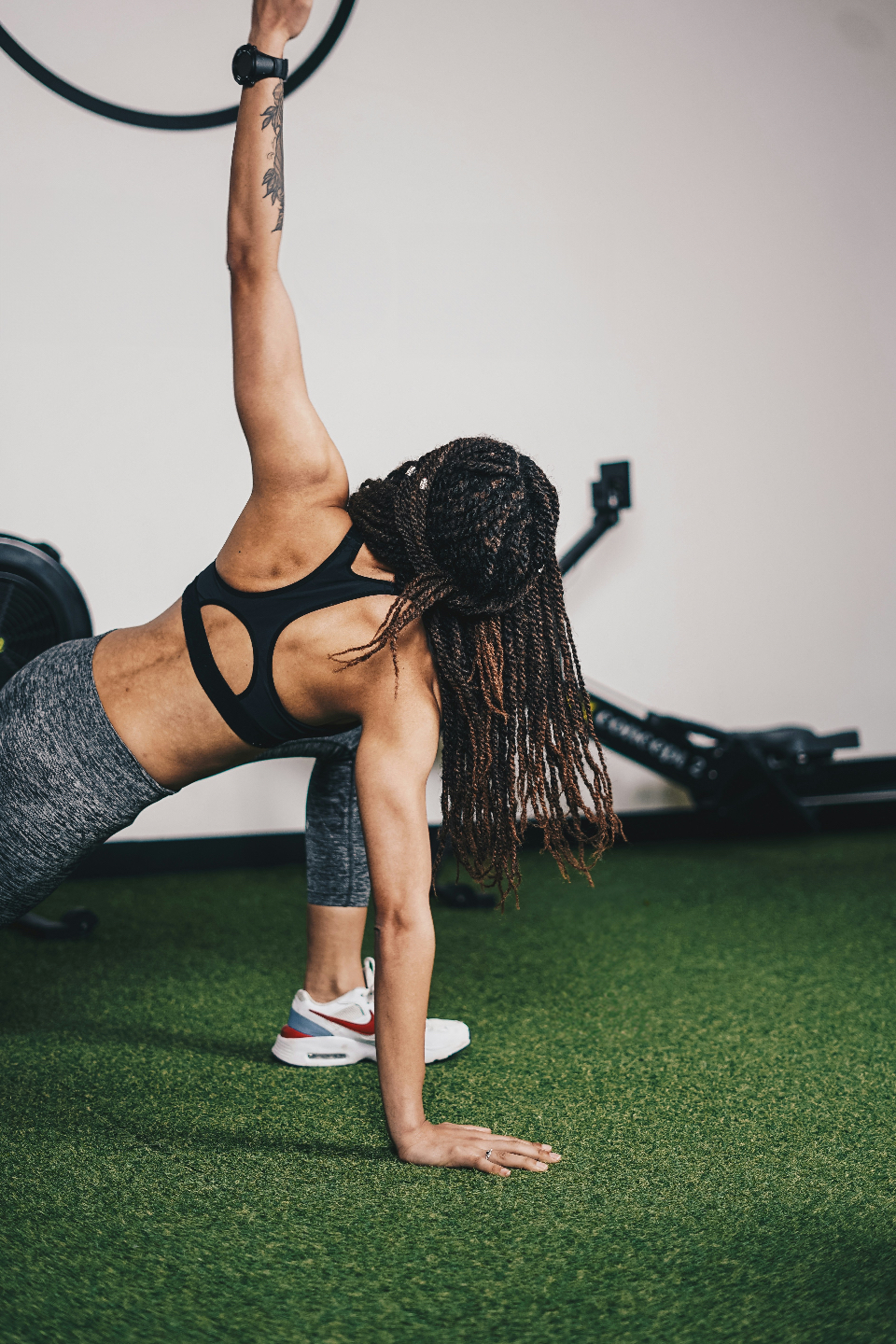
Strength training (also known as resistance training) is different from aerobic exercises such as running, cycling, or walking.
Weightlifting, either with machines or free weights, is one type of resistance training.
Other types include using medicine balls or resistance bands, or body weight-bearing exercises such as pushups, pull-ups, or even yoga.
How much do we have to do? The CDC recommends two strength training sessions a week. I like three, but they only have to be 20 minutes a session.
How to Strength Train to Get Results
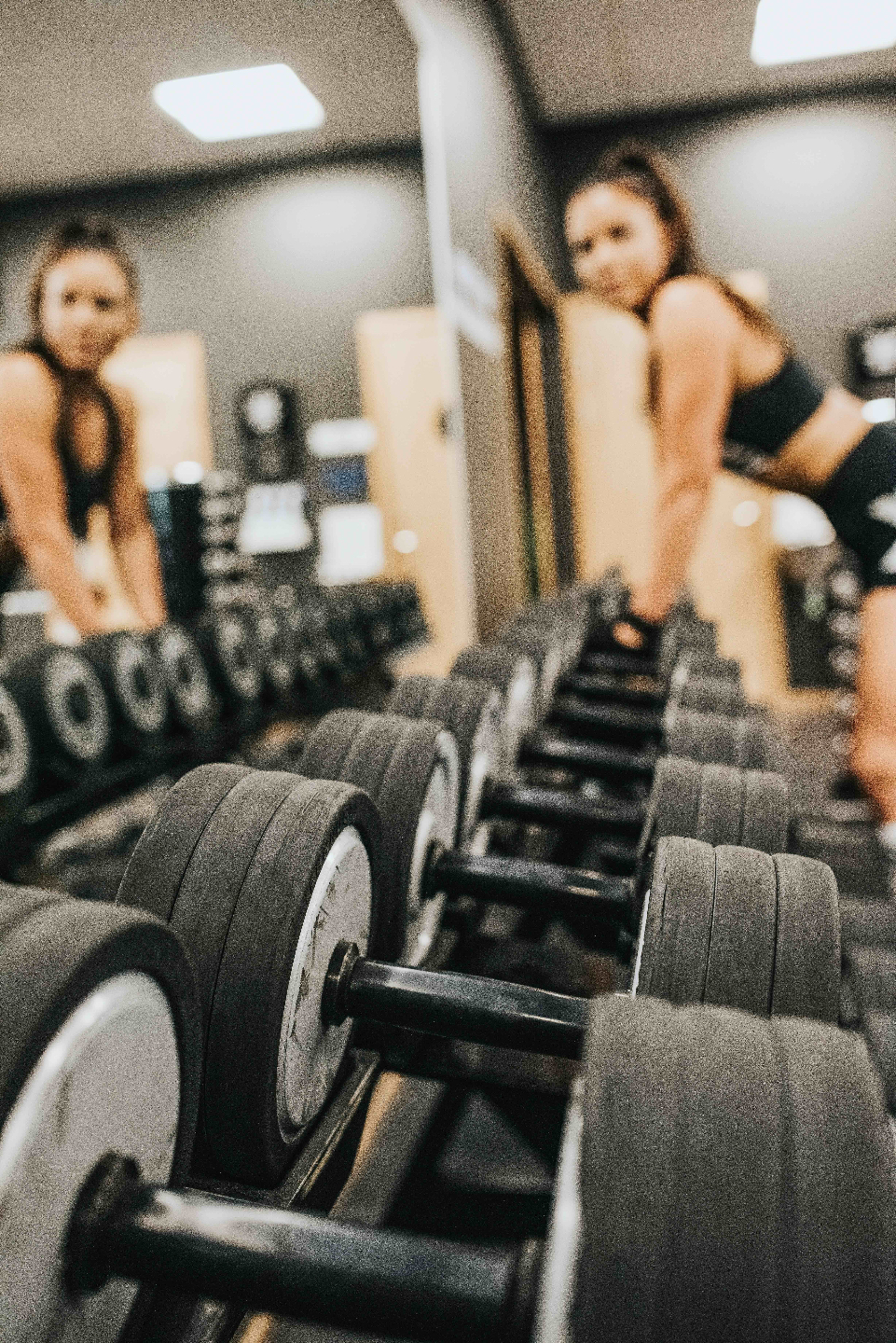
When talking about strength training, it’s important to know about the concept of progressive overload, the practice of gradually increasing either the weight you lift, the amount of repetitions, the difficulty of the movement, or the intensity.
If you don’t continuously challenge your muscles, you won’t gain the full benefits of strength training, including improved cardiovascular health, lower blood pressure, and a reduced risk of lower back pain, falls and fractures.
Going into your garage and lifting the same dumbbells the same amount of times for weeks on end means you’ll quickly reach a plateau and won’t build additional muscle mass.
Whether you are walking in the neighborhood or lifting weights in the gym, eventually your body adapts. Doing the same routine every day certainly has value and it’s far preferable to not working out at all, but without changing it up you won’t see improvements in fitness and strength.
This is especially important as you age and begin losing muscle mass.
Get Started Today
It's never too late to get strong! Lifting weights will help you look and feel amazing, no matter what your age. I'd love to help!
Book a Free Consult